
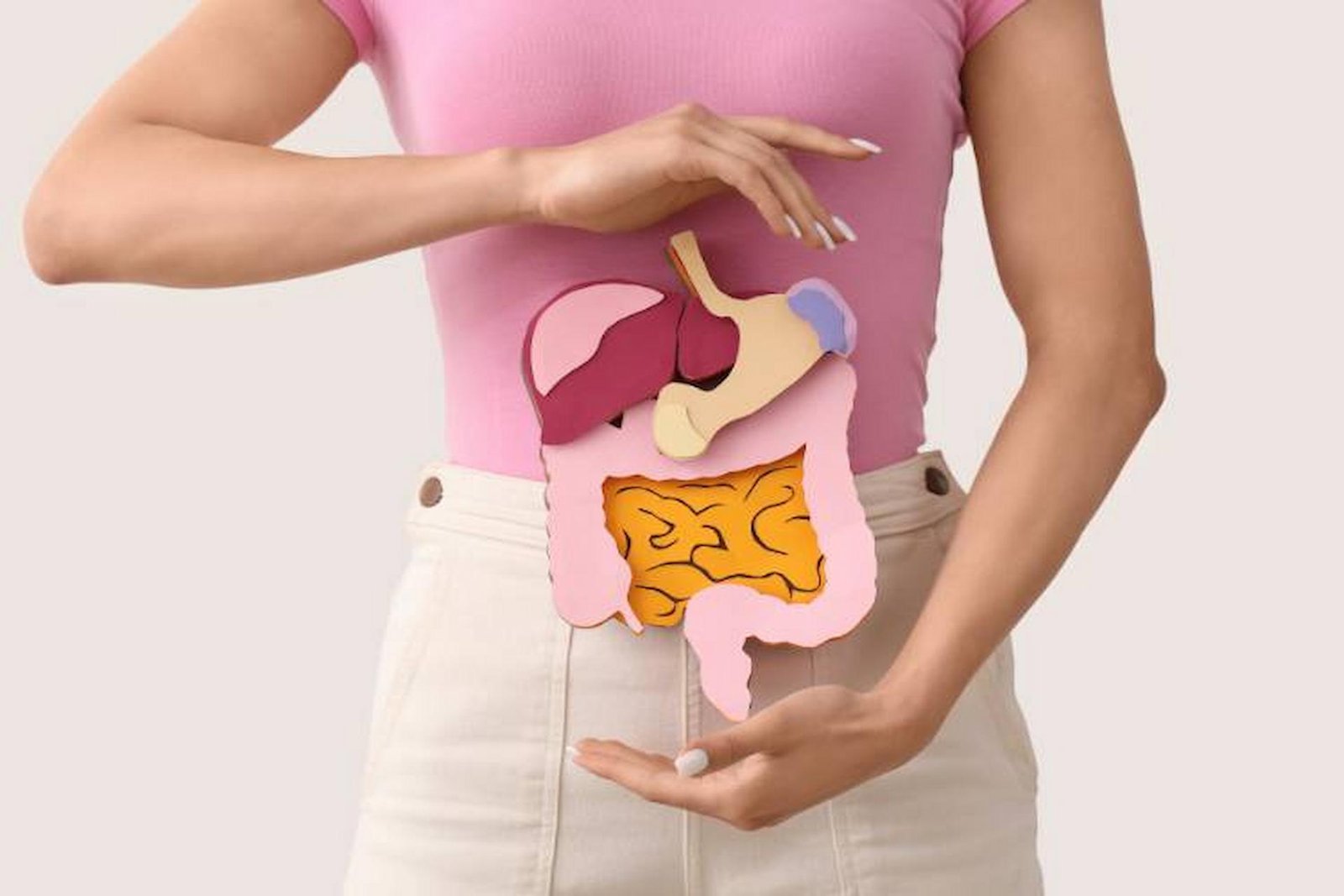
Your digestive system does more than process food—it shapes immunity, energy, and daily comfort. As modern lifestyles challenge gut health, smart nutritional strategies are gaining attention. Discover how beneficial bacteria can help restore balance, support digestion, and promote a healthier internal ecosystem in today’s fast-paced world.
Overview
Digestive wellness has become a major focus in modern health conversations, and for good reason. Your gut is home to trillions of microorganisms that influence digestion, immune response, nutrient absorption, and even mental well-being. When this internal ecosystem is balanced, your body often performs better. When it’s disrupted by stress, processed foods, antibiotics, or poor sleep, symptoms like bloating, irregular digestion, fatigue, and discomfort can become more common.
This is where Probiotic supplements have gained meaningful attention. These beneficial bacteria help replenish and support the gut microbiome, offering a practical way to restore digestive harmony. While fermented foods and healthy lifestyle choices remain foundational, probiotics can provide additional support when modern life challenges your body’s natural balance.
Today’s wellness landscape has shifted from simply treating digestive discomfort to proactively supporting gut health. More people are recognizing that digestive wellness affects everything from metabolism to immune resilience. Understanding how probiotics fit into this broader picture can help you make smarter choices for long-term health.
Modern diets often include excess sugar, preservatives, and ultra-processed foods that may negatively influence gut bacteria diversity. In response, many health-conscious individuals turn to Probiotic supplements to help maintain microbial balance and support smoother digestion. When chosen wisely, these supplements can become a valuable part of a broader digestive wellness strategy.
Understanding the Gut Microbiome in Modern Life
Your gut microbiome is a living community of bacteria, fungi, and other microorganisms that work together to keep your digestive system functioning properly. A balanced microbiome helps break down food, produce essential nutrients, and defend against harmful bacteria.
Why Gut Balance Matters More Than Ever
Modern living has introduced several challenges that can disrupt gut health:
- High-stress lifestyles can alter digestion and microbial balance
- Frequent antibiotic use may reduce beneficial bacteria
- Low-fibre diets can starve healthy gut microbes
- Poor sleep may negatively affect digestive regulation
- Environmental toxins and processed foods may contribute to an imbalance
When beneficial bacteria decrease, digestive symptoms may become more frequent, and your body may struggle to function at its best.
Signs Your Gut May Need Support
While everyone’s digestive system is different, some common indicators of imbalance include:
- Frequent bloating or gas
- Irregular bowel movements
- Food sensitivities
- Fatigue
- Occasional brain fog
Recognizing these signs early can help you make adjustments before small issues become larger concerns.
How Probiotics Work to Support Digestive Wellness
Probiotics are live microorganisms that, when consumed in appropriate amounts, may offer health benefits by supporting the natural balance of bacteria in your gut.
Restoring Beneficial Bacteria
Probiotics can help replenish healthy bacteria after disruptions such as illness, medication use, or dietary changes. Certain strains like Lactobacillus and Bifidobacterium are often studied for their role in digestive support.
Supporting Digestion and Nutrient Absorption
A healthier gut microbiome may improve how your body processes food and absorbs nutrients. This can support better digestion and potentially reduce occasional discomfort.
Immune System Connection
A large portion of the immune system is closely linked to the gut. Balanced gut bacteria may help support immune responses and strengthen your body’s natural defenses.
Choosing the Right Supplement for Your Needs
Not all probiotic products are the same. Selecting an effective option involves understanding strain diversity, potency, and quality.
What to Look For
When evaluating a supplement, consider:
- CFU count (colony-forming units) appropriate for your goals
- Specific bacterial strains backed by research
- Third-party testing for purity and potency
- Shelf stability or refrigeration needs
- Transparent ingredient labels
Common Probiotic Strains
Different strains may support different outcomes:
- Lactobacillus acidophilus: Often associated with digestive balance
- Bifidobacterium lactis: Commonly used for gut regularity
- Saccharomyces boulardii: May support digestive resilience during disruptions
Understanding strain-specific benefits can help align your choice with your personal wellness goals.
Beyond Supplements: A Complete Gut Health Strategy
While probiotics can be helpful, they work best when paired with broader healthy habits.
Lifestyle Habits That Support a Healthy Gut
To maximize digestive wellness, consider these practices:
- Eat fiber-rich fruits, vegetables, and whole grains
- Include fermented foods like yogurt, kefir, or kimchi
- Stay hydrated daily
- Prioritize consistent sleep
- Manage stress through movement or mindfulness
Prebiotics Matter Too
Prebiotics are fibres that feed beneficial bacteria. Foods like garlic, bananas, onions, and oats can help probiotics thrive, creating a more supportive environment for gut health.
Common Myths About Probiotics
Misinformation can make probiotic decisions confusing. Let’s clear up a few misconceptions.
Myth 1: More CFUs Always Mean Better Results
Higher numbers are not automatically better. The right strains and quality often matter more than sheer quantity.
Myth 2: All Probiotics Work the Same
Different strains serve different purposes. One product may support bloating, while another may focus on immune support.
Myth 3: Supplements Replace Healthy Eating
Probiotics can complement a healthy diet, but they should not replace nutrient-dense foods or balanced habits.
Practical Tips for Beginners
If you’re considering probiotics for the first time, start thoughtfully.
Smart First Steps
- Begin with a moderate-dose product
- Monitor how your body responds
- Choose clinically studied strains
- Be consistent with daily use
- Consult a healthcare professional if you have medical concerns
Digestive wellness is highly individual, so finding the right fit may take some experimentation.
Conclusion
Modern digestive wellness depends on more than temporary fixes—it requires supporting the body’s internal balance through informed choices. By combining healthy habits, balanced nutrition, and thoughtful supplementation, individuals can better support digestion, immunity, and daily comfort. A proactive approach to gut health can lead to meaningful improvements that benefit overall well-being for years to come.