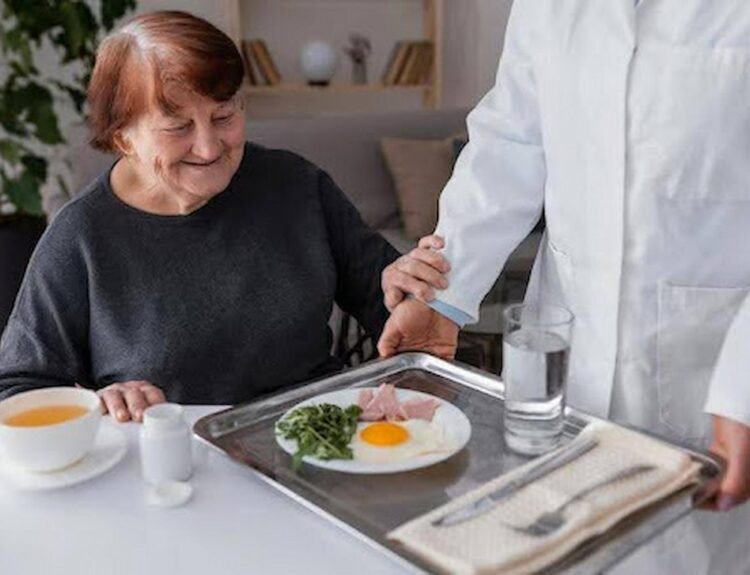

Staffing strategies and role-specific training have a direct impact on the quality and consistency of care in long-term living environments. Recruiting individuals with appropriate skills, providing continuous professional development, and maintaining leadership grounded in compassionate practice strengthen everyday care delivery. These measures support resident wellbeing, increase staff confidence, and lead to improved outcomes across care homes, including specialist services in Norwich.
Improving care home quality begins with investing in the people who deliver care every day. For communities seeking compassionate, personalised support like that offered by care homes in Norwich, strong staffing and training practices are essential. These practices not only drive better experiences and outcomes for residents but also foster a committed workforce equipped with the skills, confidence, and empathy needed to deliver exceptional care.
Strategic Staffing: Hire for Values and Capability
Staffing choices lay the foundation for quality in care settings. Beyond technical ability, care providers must prioritise candidates whose values align with dignity, respect, and person-centred support.
-
Targeted Recruitment
Recruiters should develop clear role profiles that reflect both skill requirements and the emotional intelligence vital for care delivery. Personal attributes such as patience, empathy, and communication are as significant as clinical qualifications.
-
Workforce Diversity and Inclusion
A diverse workforce brings a range of perspectives and strengths, enabling care homes to more effectively meet the varied cultural, social, and lifestyle needs of residents. Prioritising inclusion supports mutual respect and understanding in daily interactions.
-
Competitive Compensation and Benefits
Offering remunerative pay, career progression, and wellbeing benefits helps attract and retain high-quality caregivers. In an industry marked by high turnover, investing in staff welfare pays dividends in continuity and consistency of resident care.
Comprehensive Training: Build Skills that Matter
Training is not a one-time event but an ongoing commitment to competence, confidence, and compassion. Effective care homes develop structured training pathways that touch every aspect of daily practice.
-
Induction Training with Purpose
New staff benefit from immersive induction programmes that introduce organisational values, care philosophies, and practical procedures. This foundation ensures new team members understand expectations and feel supported from day one.
-
Person-Centred Care Education
Quality care hinges on seeing each resident as an individual. Training focused on person-centred approaches equips staff to tailor support to preferences, abilities, and histories, enhancing dignity and engagement.
-
Specialist Skills Development
Residents may have complex health needs, including dementia, mobility challenges, or end-of-life care requirements. Offering specialist training in clinical skills and behavioural support ensures staff can confidently and safely meet diverse needs, which is especially valuable in settings like care homes in Norwich that provide residential, nursing, and dementia care tailored to individual requirements.
Leadership and Supervision: Guiding Staff Growth
Leadership quality directly influences team performance and resident outcomes. Effective leaders inspire trust, champion professional development, and ensure accountability across care teams.
Supportive Management Practices
Leaders who practice open communication, regular check-ins, and constructive feedback create a culture of psychological safety. Staff feel empowered to raise concerns, share ideas, and seek support, leading to better decision-making and resident care.
Continuous Learning Culture
A learning culture embeds reflection and improvement into daily routines. Team meetings, case reviews, and shared learning sessions help staff integrate lessons from experience and adapt to evolving care standards.
Mentoring and Coaching Systems
Pairing less experienced staff with seasoned mentors accelerates professional growth and reinforces best practices. Coaching not only builds skills but also strengthens relationships and team cohesion.
Engagement and Wellbeing: Values in Action
Staff who feel supported and valued are more likely to provide consistent, compassionate care. Engagement initiatives and wellbeing support contribute to job satisfaction and lower burnout.
-
Staff Wellbeing Initiatives
Offering resources such as mental health support, stress management workshops, and flexible scheduling helps staff maintain resilience in a demanding role. Recognising achievements and celebrating milestones further reinforces positive morale.
-
Feedback and Recognition
Constructive feedback mechanisms and formal recognition programmes help staff see the impact of their work. Positive reinforcement from peers and leaders supports a sense of pride and purpose.
-
Team Building and Collaboration
Social activities, inter-disciplinary collaboration, and cross-training opportunities strengthen team bonds. Cohesive teams communicate more effectively, respond to challenges with agility, and create a stable environment for residents.
Measurable Outcomes: Linking Practice to Quality
Improvement practices must be accountable and measurable. Regular evaluation ensures that staffing and training investments translate into better care outcomes.
Key Performance Indicators
Care homes should define and monitor indicators such as staff turnover, training completion rates, resident satisfaction scores, and incident reports. These metrics highlight areas of strength and identify opportunities for improvement.
Resident Feedback and Engagement
Feedback from residents and families provides direct insight into the lived care experience. Structured surveys, informal conversations, and resident committees inform meaningful adjustments in practice.
Quality Assurance Reviews
Internal and external quality reviews help maintain standards and promote continuous enhancement. Benchmarking against industry best practices ensures the care provided remains current and effective.
Frequently Asked Questions
How do staffing practices directly affect care home quality?
Staffing determines consistency, safety, and emotional support. Adequate staffing levels and value-based recruitment ensure residents receive attentive, personalised care without rushed interactions or service gaps.
Why is continuous training essential in modern care homes?
Care needs evolve over time. Ongoing training keeps staff competent, compliant, and confident in delivering person-centred care, managing complex conditions, and responding appropriately to changing resident needs.
What role does leadership play in improving care standards?
Effective leadership sets expectations, supports staff development, and reinforces accountability. Strong leadership directly improves team morale, retention, and the overall quality of care delivered to residents.
How does staff wellbeing influence resident outcomes?
Supported staff are more engaged, patient, and emotionally available. Wellbeing initiatives reduce burnout, improve consistency, and help maintain high standards of compassionate care.
What should families look for when assessing staffing quality?
Families should consider staff continuity, training focus, leadership presence, and communication practices. These indicators reflect how well a care home supports both its team and residents.
Conclusion
Ensuring high-quality care in residential settings begins with the people who deliver it. Strategic staffing practices that prioritise values and capability, robust and ongoing training tailored to real-world care needs, and supportive leadership create a strong foundation for excellence. Engagement and wellbeing initiatives further cultivate a motivated workforce, while measurable outcomes ensure accountability and improvement. For families exploring care homes in Norwich and beyond, these practices signal a commitment to dignity, safety, and individualised support—cornerstones of truly compassionate care. When staffing and training are treated as strategic priorities, care communities thrive, residents flourish, and teams feel confident in the meaningful work they perform.